Shop Vacs
Choosing a Shop Vac for Woodworking
Choose a woodworking shop vac by matching capacity, hose size, filtration, airflow, and maintenance to your tools and dust-collection needs.
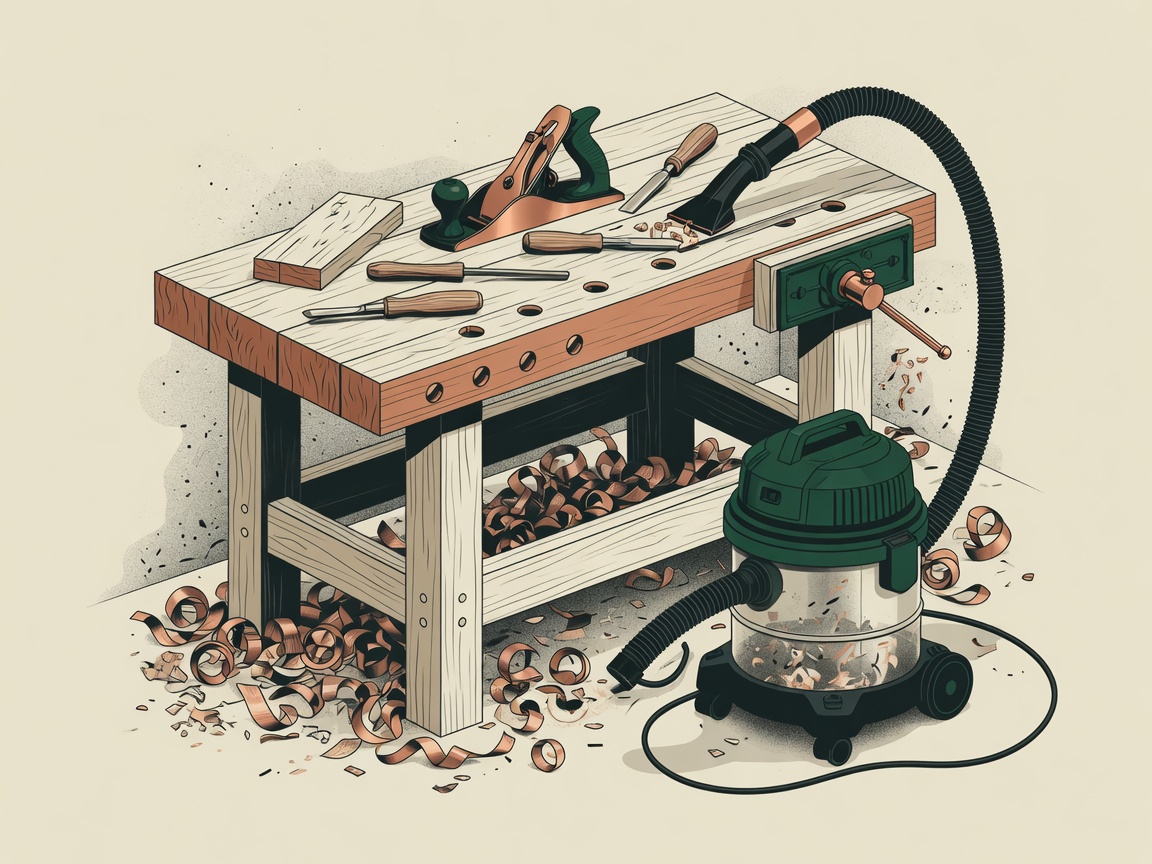
On this page
What this job asks of a shop vac
A woodworking shop vac should be chosen around the work it will actually do. Occasional sanding and small cleanup jobs call for a portable setup that is easy to move and quick to empty. A saw, router, or planer can produce much more dust, so focus on a hose and collection arrangement that can stay connected to the tool, keep airflow from being unnecessarily restricted, and avoid filling the vacuum too quickly. If the vacuum will also handle spills or other liquids, confirm that it supports wet pickup and follow the manufacturer’s required wet-use configuration; a dry filter or other parts may need to be changed or removed as directed.
For woodworking, check the product listing for the intended dust-collection use, hose connection details, included adapters, filter type, collection capacity, and whether wet pickup is supported. Match the hose size and fittings to the tools you use rather than assuming every shop vac connects directly. Plan on regular filter cleaning, checking for clogs, and emptying the container before dust buildup reduces airflow. A compact vacuum may suit portable tools and light cleanup, while a larger setup may be more practical when several machines generate dust or when longer periods of collection are expected.
Setup that actually helps
A useful woodworking dust setup starts with the hose path, not the vacuum alone. Keep the route as short and direct as practical, avoid sharp bends, and secure the hose so it does not snag on the workpiece or become a trip hazard. A flexible hose is convenient for moving between tools, while a more permanent layout can make sense when one machine stays connected. Use adapters only when they fit the tool port and hose securely; a loose connection can leak dust and reduce collection at the source.
Match the configuration to the tools you use. A shop vac can suit smaller, portable woodworking tools when the hose and tool outlet are compatible. Larger machines may require a dust collector or a connection designed for higher airflow, so check the tool manufacturer’s requirements rather than assuming every machine will collect effectively with the same vacuum. For tools that produce fine dust, prioritize a sealed connection and filtration system intended for that type of debris.
Collection works better when the workflow is simple: connect the hose before cutting, keep unused ports closed, and empty the collection container before it becomes full enough to restrict airflow. Inspect the hose, fittings, seals, and filter regularly. Clean or replace the filter according to the manufacturer’s instructions, and avoid shaking fine dust into the work area. If the vacuum supports a disposable bag or pre-separator, verify that the accessory is compatible and use it when it makes emptying cleaner and helps protect the main filter.
What to prioritize
Start with the dust your woodworking tools produce. For routine sanding and sawing, prioritize a shop vac with strong suction, a hose that matches the tool’s dust port, and filtration suited to fine dust. A larger capacity can reduce emptying during long sessions, but a smaller unit may be easier to move around a compact shop. Choose the configuration that supports your actual workflow rather than focusing on capacity alone.
Mobility matters when the vacuum must follow a planer, router, or sander. Look for a stable base, practical hose storage, and a hose length that reaches the work area without creating a trip hazard. Noise is also worth considering: if the vacuum will run beside you for extended periods, a quieter setup may be more comfortable, provided it still supplies the suction your tools require.
Check the power source before buying. Confirm whether the vacuum fits your available outlets and whether its controls or switching arrangement work with the tools you plan to connect. Product listings should also clearly identify hose diameter, included adapters, filter type, dust-bag requirements, container capacity, and which accessories are included. Compatibility is not automatic, so compare those details with each tool’s dust port and the manufacturer’s connection guidance.
Plan maintenance as part of the purchase. Empty the container before airflow drops, inspect the hose for blockages, and clean or replace filters and bags according to the manufacturer’s instructions. Fine woodworking dust can load a filter quickly, so a convenient filter-access design and readily available replacement consumables may matter as much as the vacuum’s headline suction claim.
Filter and hose habits that keep suction
Woodworking dust can quickly reduce airflow when the filter loads up, so make filter care part of the routine. Check the filter before dusty work, clean or replace it according to the manufacturer’s instructions, and inspect it for damage before reinstalling it. Use the filtration setup specified for the material and task rather than assuming every filter is suitable for fine dust.
Treat the hose as part of the dust-collection system. Look through the hose for packed debris, check the cuffs and adapters for a secure fit, and inspect connections for cracks or air leaks. Keep the hose route as short and direct as practical, and clear blockages before they force the motor to work harder or reduce pickup at the tool.
For liquid pickup, change the configuration before starting. Remove or install filters, floats, bags, or other components only as the manufacturer directs for wet use; a wet/dry vacuum can pick up liquid only when configured as specified for that purpose. Empty and dry the tank and wet-use components afterward before returning to dry dust collection.
When comparing a shop vacuum for woodworking, verify the listing’s supported filter types, dust-bag or collection options, hose diameter and included adapters, connection compatibility, and the manufacturer’s instructions for wet pickup. Also check whether replacement filters and bags are readily identified, since ongoing maintenance matters as much as the initial setup.
Before you buy for this job
Start with the woodworking task, then verify the listing. For routine sawdust, check which filter or filtration setup is included and whether the manufacturer describes it for fine dust. Confirm that the hose diameter and length match your tools, dust ports, and available adapters; a listing should identify included tool adapters rather than leaving compatibility to guesswork.
If you may collect spills or slurry, look for clear wet/dry instructions. A wet/dry vacuum should pick up liquid only when configured as the manufacturer specifies for wet use. Check whether that setup requires removing or changing a filter, using a particular collection method, or following other preparation steps.
Before buying, also look for replacement filters, bags, seals, hoses, and adapters, and confirm how they can be obtained. Read the manufacturer’s instructions for filter cleaning, emptying, storage, and switching between dry and wet work. For woodworking, choose a configuration you can maintain consistently: the right hose and adapter fit, filtration suited to the dust you create, and a documented wet-use procedure if liquids are part of the job.
Sources
Some links on this page are affiliate links marked “(paid link)”. As an Amazon Associate I earn from qualifying purchases. See the affiliate disclosure.
Find shop vacs for woodworking on Amazon (paid link)
Keep reading
Related guides
How to Choose a Shop Vac
Wet or dry, tank size, filters and the jobs a shop vac actually handles.
Choosing a Shop Vac for Drywall Dust
Fine dust, filtration and a setup that does not clog immediately.
How Shop Vac Filters Work
Filter types, when to clean them, and when to replace them.