Shop Vacs
A HEPA Shop Vac for the Home Garage
Learn which HEPA shop vac setup fits dry debris or wet cleanup, and what filters, accessories, capacity, and operating details to check.
On this page
What this job asks of a shop vac
Garage work usually falls into two different pickup jobs: dry debris such as sawdust, shavings, and loose dirt, and wet cleanup after spills or water intrusion. Choose a configuration around the work you actually expect to do, rather than assuming every wet/dry label covers both jobs in the same way.
For dry pickup, check the listing for the included filter, dust-collection accessories, hose and tool compatibility, and any stated requirements for emptying or cleaning the unit. For wet pickup, confirm that the manufacturer specifies the vacuum for liquid use and follow that setup exactly; a wet/dry designation alone is not a substitute for the required wet-use configuration. Also check whether the filter must be removed, changed, or replaced with another component before collecting liquid, and review the instructions for shutting down, draining, and drying the vacuum afterward.
Before buying, match the listed attachments and operating requirements to your garage tasks. A unit intended mainly for dry workshop debris may be the simpler choice if spills are uncommon, while regular liquid cleanup makes the manufacturer’s wet-use setup, drainage method, and capacity details more important.
Setup that actually helps
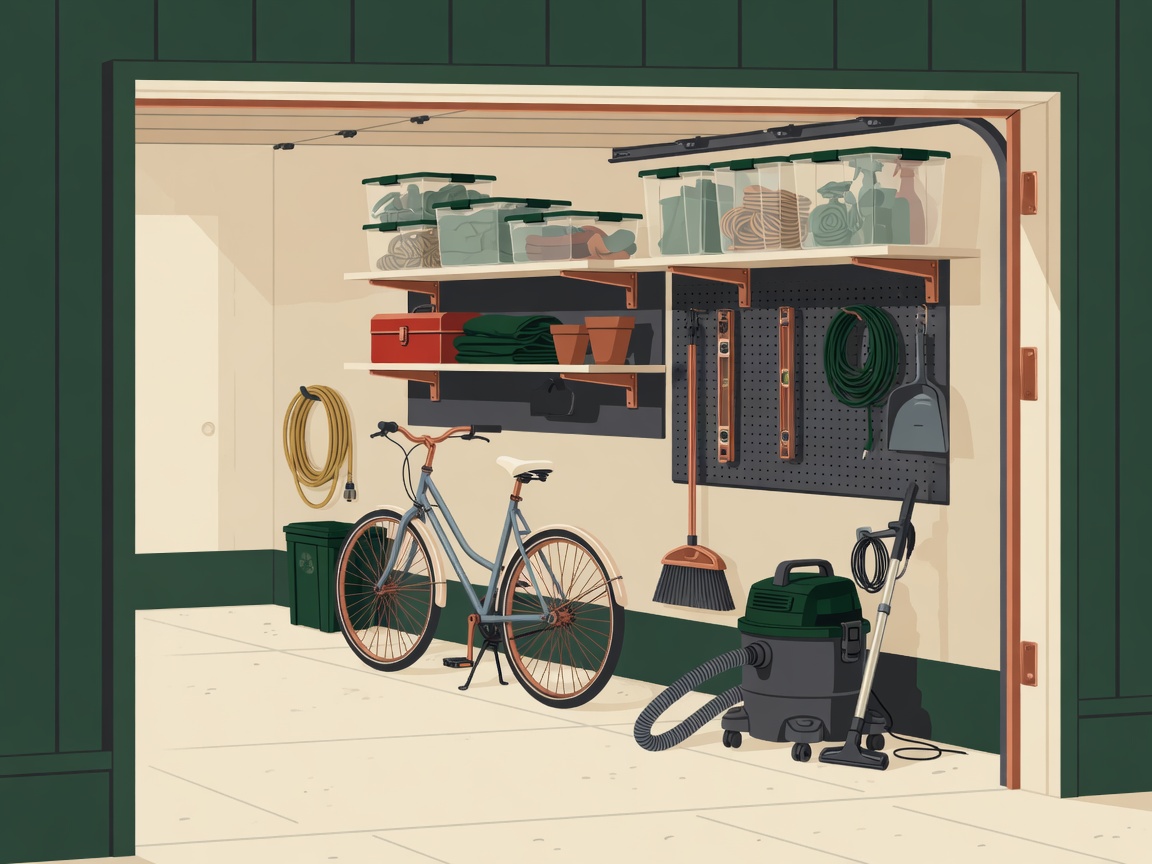
Match the vacuum’s configuration to the way your garage is laid out. A compact unit can make sense when storage space is tight and the hose will stay close to the machine. A longer hose or a setup with convenient onboard storage is more useful when the vacuum will remain in one place while you move around a vehicle, workbench, or floor area. Think about where the unit will sit, how far the hose must reach, and whether carrying the vacuum or moving the hose will be the more frequent task.
Check the hose arrangement before buying rather than assuming accessories will fit. Confirm the hose diameter, connection style, included adapters, and whether the tools you already use—such as a crevice tool, brush, or dust-collection fitting—match the vacuum. If the listing describes optional accessories, verify that they are included with the specific package you are considering.
For garage work, also review the operating requirements. Check whether the unit is intended for dry pickup, wet pickup, or both; whether a filter or filter change is required for the material you plan to collect; and whether the manufacturer calls for a particular filter, bag, or maintenance step. Look for cord length, outlet requirements, storage dimensions, and any limits on liquids or debris. These details often determine whether the vacuum will be convenient in the space, not just whether it can create suction.
What to prioritize
Start with the work area and move from capacity to convenience. A larger tank can reduce emptying during extended sanding, routing, or cleanup, but it also takes more floor space and is harder to carry. For a compact garage or frequent stair use, prioritize a lighter unit, a manageable footprint, and secure storage for the hose and accessories. For a fixed workstation, capacity and hose reach may matter more than carry weight.
Treat filtration as a configuration detail, not just a label. Check whether the listing identifies a true HEPA filter, whether the filter is included, and whether replacement filters are available. Look for a sealed filter path and a filter-cleaning method that suits the dust you expect to collect. Fine dust can load a filter quickly, so the operating instructions should explain when to clean it and whether the filter must be removed before wet pickup.
Power should be compared with airflow and suction information when those specifications are provided, rather than judged from a single headline number. More motor power does not by itself confirm better dust capture at a tool. Give extra weight to listings that state the intended duty cycle, hose diameter, and connection details clearly, because those factors affect how well the vac works with a sander, saw, or router.
Check tool compatibility before buying. Confirm the hose size, included adapters, outlet or automatic-start feature, and whether the tool’s dust port can connect without an improvised fit. If several tools will share the vac, favor a configuration with readily available adapters and a hose length that does not pull on the tool. Also verify the electrical requirements and any limits on using the vac with power tools.
Filter and hose habits that keep suction
Airflow is easiest to preserve when the hose, filter, and collection setup match the material being picked up. Before each job, check the hose for kinks or blockages and make sure connections are seated securely. A gradual loss of suction is a reason to stop and inspect the hose, filter, intake, and collection container rather than continuing to run the vac under restricted airflow.
Keep dry-pickup and wet-pickup arrangements separate in your routine. If the job involves liquid, use the wet configuration specified by the manufacturer; a wet/dry label alone does not replace those instructions. After wet pickup, follow the manufacturer’s directions for emptying, cleaning, and drying the relevant parts before returning to dry debris.
When comparing listings, look for clear instructions covering filter use, wet operation, hose size and connections, replacement filters, and automatic shutoff or overflow protection if wet pickup is part of the plan. For a garage that alternates between sawdust, chips, and spills, the more suitable configuration is the one whose changeover steps are explicit and whose consumables and attachments are easy to identify. A listing that leaves those operating requirements unclear deserves extra caution before purchase.
Before you buy for this job
Before buying, match the configuration to the garage tasks rather than relying on the product title alone. For routine dust and debris, confirm the listed filter and hose arrangement suit the material you expect to collect. If liquid pickup is part of the job, verify that the manufacturer’s wet-use setup is clearly described and follow it exactly; a wet/dry label by itself does not explain how the machine must be configured.
Check the listing for the exact configuration being sold, including the filter, hose, nozzles, adapters, bags, and any tool-connection parts shown or promised. Confirm that the included components match your planned cleanup and that replacement filters or consumables are identified. Before checkout, review the seller, warranty, return window, delivery terms, and whether the pictured accessories belong to the selected variant. If a promotion or bundle affects the value, verify its dates and eligibility in the current offer terms rather than assuming it applies to every configuration.
Final check: confirm the configuration; read the wet-use instructions; verify every included component; and review warranty, returns, delivery, seller, and promotion terms before buying.
Sources
Some links on this page are affiliate links marked “(paid link)”. As an Amazon Associate I earn from qualifying purchases. See the affiliate disclosure.
Find HEPA shop vacs on Amazon (paid link)
Keep reading
Related guides
How to Choose a Shop Vac
Wet or dry, tank size, filters and the jobs a shop vac actually handles.
Choosing a Shop Vac for Drywall Dust
Fine dust, filtration and a setup that does not clog immediately.
How Shop Vac Filters Work
Filter types, when to clean them, and when to replace them.