Guides
Set Up Shop Vac Dust Collection
Learn how to assemble, check, and troubleshoot a shop-vac dust-collection setup, including filters, bags, hoses, separators, and adapters.
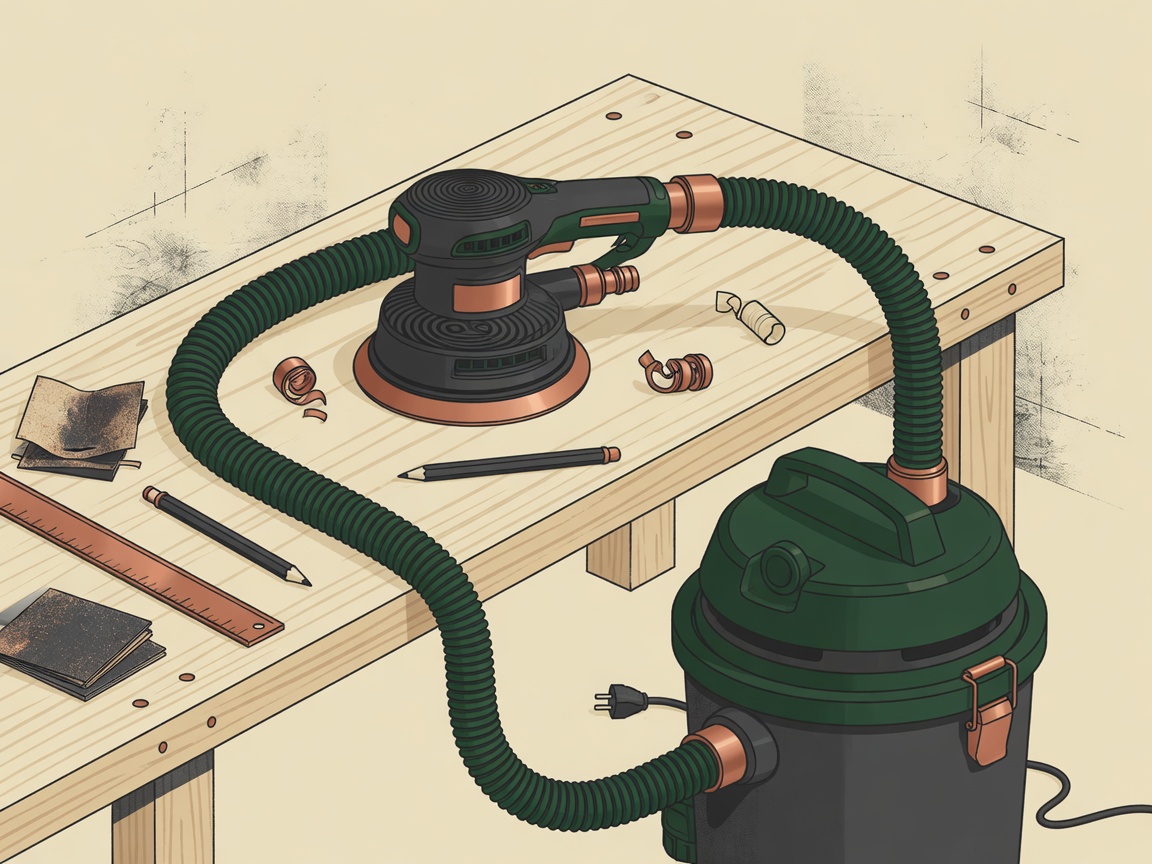
What you are setting up
Start with the vacuum’s specified dry-collection configuration: install the filter, bag, separator, hose, and tool adapter exactly as directed for collecting dust. Keep the hose path as direct as practical, secure each connection, and confirm that the filter and collection container are seated before switching on the vacuum. Use an adapter that matches the tool outlet rather than forcing an oversized or loose connection.
Treat wet pickup as a separate setup, not as an extension of dry dust collection. A wet/dry vacuum can collect liquid only when it is configured for wet use according to the manufacturer’s instructions. Before changing modes, stop the vacuum, disconnect power, remove or change the dry-collection components specified by the manufacturer, and install any required wet-use parts. Do not assume that a dry filter or dust bag is suitable for liquid.
Check the setup in order: tool outlet, adapter, hose, vacuum inlet, filter or bag, and collection container. If suction is weak, switch off and inspect those points for a loose joint, blocked hose, full container, or incorrectly installed filter. If dust escapes, stop using the setup until the filter, bag, lid, and connections are correctly seated. Airflow figures such as CFM apply to stated test conditions, so use the manufacturer’s specification as a comparison only when the test conditions are clear.
The working sequence
Start with the vacuum unplugged. Connect the hose to the vacuum’s intake, then fit the other end to the tool port or adapter. Hose diameters and tool-port adapters vary by model, so confirm that the connection is compatible and secure rather than forcing a mismatched fitting.
Configure the vacuum for the material you will collect. Install the filter and any required collection components exactly as the manufacturer specifies. If the job involves liquid, use the vacuum’s wet-pickup configuration; do not assume a dry-collection setup is suitable for wet use.
Before cutting or sanding, switch on the vacuum and check the airflow at the tool connection. A loose joint, blocked hose, or poorly seated filter can reduce collection. If suction is weak, turn the vacuum off, inspect each connection, clear the hose, and check the filter. A loaded or clogged filter can restrict airflow and may need cleaning or replacement according to the manufacturer’s instructions.
Run a brief test with the tool before beginning the full task. Confirm that the hose stays attached, the tool’s dust outlet is not obstructed, and debris is being drawn into the collection system. If the setup still performs poorly after these checks, stop and consult the vacuum and tool instructions before use.
Fit, hoses, and filters
Match the hose to both ends before forcing anything into place. Check the vacuum inlet, hose cuff, tool port, and any adapter for the same connection style and the intended diameter. Hose sizes and tool-port adapters vary by model, so a connection that fits one shop vac may not fit another. Use the manufacturer’s compatibility information for model-specific adapters, and make sure each joint is fully seated rather than relying on a loose friction fit.
If the tool port and hose do not match, use an adapter designed for that vacuum and tool combination. Avoid improvised reductions that leave gaps, restrict the passage, or can pull loose during operation. After assembly, inspect the joints for air leaks and confirm that the hose does not collapse or kink when the tool moves.
Check the filter before collecting dust. A filter that is loaded or clogged can reduce airflow; clean or replace it according to the vacuum manufacturer’s instructions. (F2) If the setup calls for HEPA filtration, verify that the replacement filter is identified for that specification rather than assuming that any pleated filter qualifies. HEPA filters are commonly specified to capture at least 99.97% of 0.3-micron particles under the applicable test method.
Troubleshoot in order: first reseat the hose and adapter, then look for a blocked tool port or kinked hose, and finally inspect the filter and collection container. If suction remains weak after those checks, stop and consult the vacuum and accessory instructions before changing parts. Keep the filter and connection type matched to the intended dry-collection configuration; do not treat a tighter-fitting adapter or a cleaner filter as permission to use an unapproved setup.
If it is not working
If suction is weak, start at the tool and work backward. Check that the hose is fully seated, the adapter matches both the hose and tool port, and no connection is drawing air around the joint. Hose diameters and tool-port adapters vary by model, so a connection that appears to fit may still restrict the path or leak air. Inspect the hose for kinks, crushed sections, or a blockage, then repeat the check with the shortest practical routing.
Next, inspect the filter and collection area. If airflow drops during use, stop and check the filter again rather than compensating by opening connections or removing filtration.
For a wet/dry vacuum, confirm the operating configuration before changing tasks. Liquid pickup is appropriate only when the vacuum is set up as the manufacturer specifies for wet use. Return it to the specified dry-collection configuration before collecting dust, and do not assume that a dry filter arrangement is suitable for liquid.
Finally, treat published airflow figures as reference points, not direct predictions of performance at the tool. Manufacturers may report CFM under stated test conditions, while the test method and system resistance can differ. Compare figures only when the conditions are clear, then judge the assembled setup by its sealed connections, unobstructed hose, correct filter, and actual airflow at the tool.
Sources
Keep reading
Related guides
How to Choose a Shop Vac
Wet or dry, tank size, filters and the jobs a shop vac actually handles.
Choosing a Shop Vac for Drywall Dust
Fine dust, filtration and a setup that does not clog immediately.
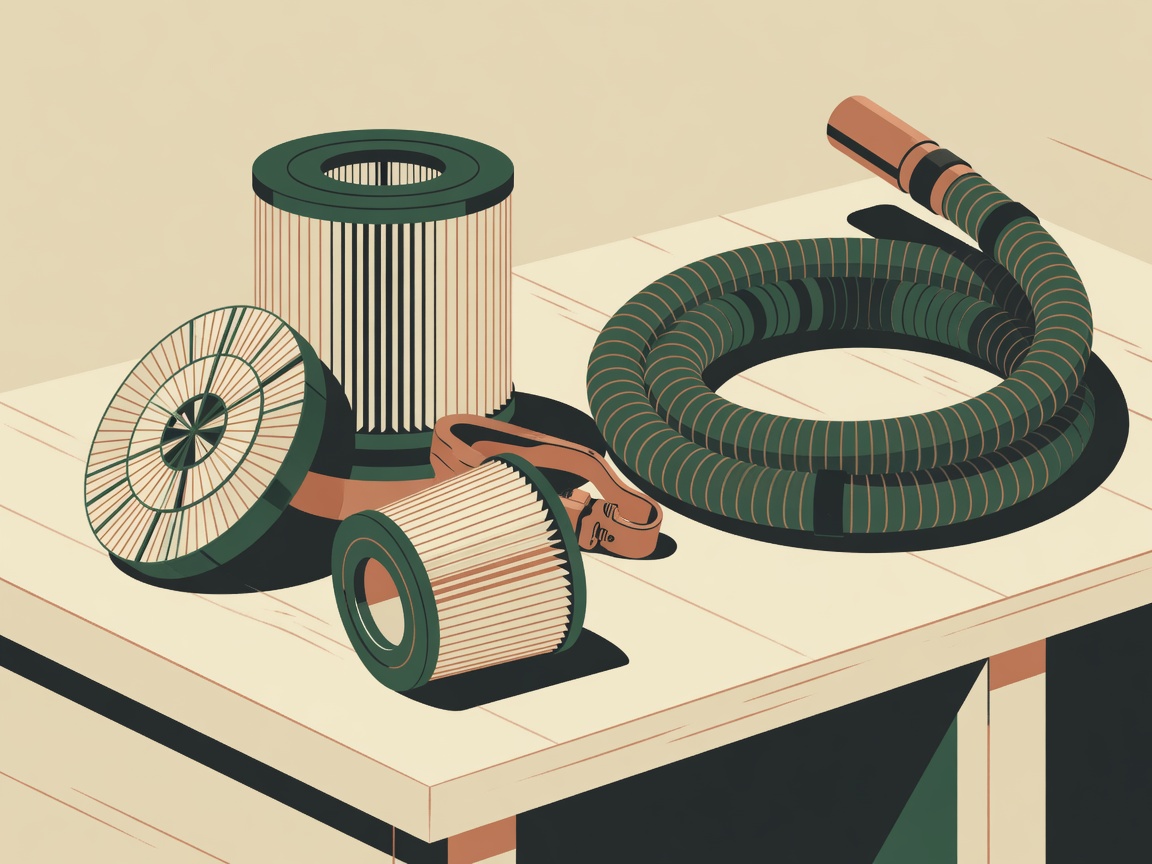
How Shop Vac Filters Work
Filter types, when to clean them, and when to replace them.