Shop Vacs
Wet/Dry Shop Vacs for Flood Cleanup
Learn which wet/dry shop vac setup suits basement water removal and what listing and manual details to check before cleanup.
On this page
What this job asks of a shop vac
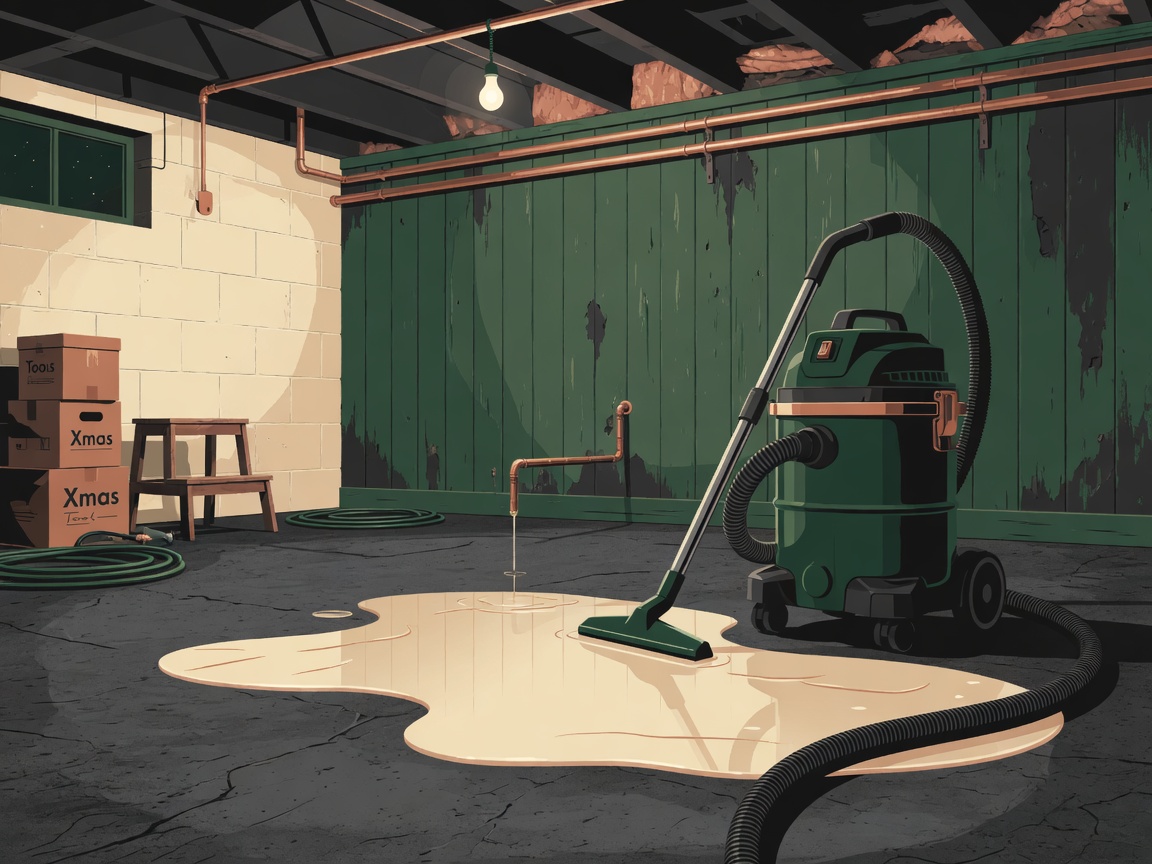
Liquid removal starts with configuration, not suction claims. A wet/dry vac can pick up water only when it is set up for wet use according to the manufacturer’s instructions. Before choosing a shop vac for a spill or flood cleanup, confirm that the listing and manual explain the wet-use setup rather than assuming a machine marketed as “wet/dry” is ready in every configuration.
For routine spills, look for clear instructions covering the wet pickup arrangement, what must be removed or installed before collecting liquid, and how the container is emptied afterward. Flood cleanup places more emphasis on capacity, access, and maintenance: you need a setup that can be prepared correctly, emptied repeatedly, and cleaned and dried after use. Listing details that explain these steps are more useful than a generic wet/dry label alone.
Use the product documentation as the final check. It should identify the permitted wet-use configuration and any care steps after liquid pickup. If those instructions are missing or unclear, the vac is a poor fit for water removal, regardless of its general vacuuming features.
Setup that actually helps
Before starting liquid removal, confirm the vacuum is configured for wet pickup exactly as the manufacturer directs. Check the listing or manual for explicit wet-use instructions, then verify that the tank, filter arrangement, drain, and included accessories match that setup before bringing the machine to the spill.
Next, inspect the connection details rather than assuming accessories will fit. Hose diameter and tool-port adapters differ between models, so look for the stated hose size, included wet-use tools, and any adapter requirements. A suitable listing should make clear which hose or tool connections are supported and how the machine is returned to its dry-vacuum configuration after cleanup. If those details are missing, choose a configuration with clearer compatibility information.
What to prioritize
Prioritize listings that state airflow in CFM and identify the conditions behind that figure. A published airflow measurement gives you a useful comparison point for liquid removal, but the test method and conditions matter; if they are not stated, treat the number as a general reference rather than a directly comparable result.
Next, check the hose diameter and every adapter included for the tool port. These dimensions vary by model, so a hose or drain tool that fits one wet/dry vacuum may not fit another. For water cleanup, favor a listing that clearly identifies the hose connection and shows how the available port or adapters support the liquid-removal tools you intend to use. Also look for accessible replacement or cleaning information, since the configuration must remain practical to maintain after wet use.
Filter and hose habits that keep suction
A filter is part of the airflow system, not a set-and-forget accessory. During cleanup, inspect it when suction drops or the filter looks loaded, then clean or replace it according to the manufacturer’s instructions. A clogged filter can restrict airflow, making liquid removal slower and less effective.
Check the connection details before buying replacement hoses, extension pieces, or wet-use tools. Hose diameters and tool-port adapters differ between models, so a listing that names the hose size or identifies compatible adapters gives you a clearer maintenance path. For liquid removal, favor a configuration with an accessible filter and clearly specified connection compatibility, so routine cleaning and replacement parts do not depend on guesswork.
Before you buy for this job
Before buying, verify the listing describes a wet-use configuration—not just a dry vacuum mode. It should explain how the machine is prepared for liquid pickup and identify the filter arrangement or removal instructions for that mode. Liquid pickup is appropriate only when the vacuum is configured as the manufacturer specifies.
Check that the airflow specification is stated as CFM and, where provided, includes its test conditions; an unexplained figure is difficult to compare fairly. Confirm the filter can be cleaned or replaced as directed, since a loaded or clogged filter reduces airflow.
Finally, match the listed hose diameter to the tools and drain or extraction accessories you plan to use. Look for the adapters included in the box and confirm that their tool-port connections fit your equipment; hose sizes and adapters are not universal across models.
Sources
Some links on this page are affiliate links marked “(paid link)”. As an Amazon Associate I earn from qualifying purchases. See the affiliate disclosure.
Find wet/dry shop vacs on Amazon (paid link)
Keep reading
Related guides
How to Choose a Shop Vac
Wet or dry, tank size, filters and the jobs a shop vac actually handles.
Choosing a Shop Vac for Drywall Dust
Fine dust, filtration and a setup that does not clog immediately.
How Shop Vac Filters Work
Filter types, when to clean them, and when to replace them.